Himachali Food Dham: A Complete Guide to Himachal Pradesh’s Traditional Feast
Himachali Food Dham – Detailed Information 1. Introduction to Himachali Dham Himachali Dham is a traditional multi-course feast from Himachal Pradesh, a beautiful state in northern India. It is an important part of the state’s culture, heritage, and social life. Dham is traditionally prepared and served during weddings, religious festivals, temple celebrations, and other special occasions. Unlike an ordinary meal, Dham consists of several traditional dishes served in a particular sequence. These dishes commonly include rice, lentils, madra, palda, khatta, and sweet rice. The ingredients, recipes, and serving traditions vary across different regions of Himachal Pradesh. Dham represents hospitality, unity, generosity, and respect for cultural traditions. It brings people together and provides an opportunity to celebrate special occasions while preserving traditional Himachali cuisine. 2. History and Origin of Himachali Dham Himachali Dham has a long-standing connection with the religious, agricultural, and social traditions of Himachal Pradesh. It developed as a special community feast served during important celebrations and religious gatherings. One popular traditional account connects the development of Dham with the rulers of Chamba. According to this story, a ruler was inspired by elaborate feasts in Kashmir and encouraged the preparation of a special meal using locally available ingredients. Over time, Dham developed into a distinctive regional culinary tradition. Traditionally, Dham was prepared by skilled cooks known as botis, who passed their knowledge and cooking techniques from one generation to another. The tradition gradually became associated with weddings, temple festivals, community gatherings, and other important occasions. Today, Dham remains an important symbol of Himachali identity and cultural heritage. 3. Main Dishes of Himachali Dham Himachali Dham is famous for its variety of traditional dishes, each offering a different taste, texture, and flavour. 3.1 Madra Madra is one of the most popular and recognisable dishes served in Himachali Dham. It is generally prepared using chickpeas, kidney beans, or other legumes cooked in a thick, curd-based gravy. The dish is flavoured with traditional spices and often prepared with ghee. Slow cooking allows the ingredients to blend together and creates a rich, creamy consistency. Madra is particularly associated with the culinary traditions of Kangra and Chamba. 3.2 Moong Dal Moong dal is prepared using split green gram lentils. It is a common part of traditional Dham menus and is usually served with rice. The dal has a mild, earthy flavour that complements richer dishes such as madra. It also provides protein, fibre, and other nutrients. 3.3 Maa Ki Dal or Mash Dal Maa ki dal, also known as mash dal, is made from black gram or urad dal. It is cooked with regional spices and sometimes ghee to develop a rich, savoury flavour. This dish is an important part of several traditional Himachali feast menus. Its earthy taste provides a balance to the tangy and creamy preparations served alongside it. 3.4 Palda Palda is a traditional Himachali curry generally prepared with potatoes or other vegetables in a curd-based gravy. The yogurt gives the dish a distinctive tangy taste, while the spices contribute aroma and flavour. It is commonly associated with the regional cuisine of the Kangra Valley. 3.5 Khatta Khatta is a distinctive sweet-and-sour dish found in several Himachali Dham traditions. Depending on the regional recipe, it may be prepared using chickpeas, tamarind, jaggery, dried mango powder, or other ingredients. Its combination of tanginess and sweetness creates a contrast with the rich gravies and lentil dishes served during the feast. 3.6 Sepu Vadi Sepu vadi is particularly associated with Mandi Dham. It consists of lentil dumplings, commonly made from urad dal, served in a green gravy often prepared with spinach. The dumplings are prepared separately and then cooked with the gravy, allowing them to absorb its flavours. Sepu vadi is valued for its distinctive preparation and its connection with the culinary traditions of Mandi. 3.7 Meetha Bhaat or Mittha Meetha bhaat is a traditional sweet rice preparation commonly served toward the end of a Dham meal. It is prepared using rice and sugar or jaggery, with raisins, dry fruits, and aromatic spices added according to the recipe. Its sweet flavour provides a pleasant conclusion to the meal and makes it especially suitable for celebrations. 3.8 Rice Rice is one of the most important components of Himachali Dham. It is generally served with the different curries and lentil preparations. Its mild flavour allows the distinctive tastes of madra, palda, khatta, and other dishes to stand out. The sequence and variety of rice preparations depend on the region and occasion. 4. Different Types of Himachali Dham Himachal Pradesh has several regional Dham traditions. Although the basic concept remains similar, the dishes and cooking methods differ from one area to another. 4.1 Chamba Dham Chamba Dham is one of the well-known regional traditions of Himachal Pradesh. It is associated with a variety of preparations, including madra, mash dal, khatta, and sweet rice. Chamba is especially recognised for its rich culinary heritage and traditional community feasts. The dishes are prepared in large quantities for weddings, religious functions, and other important celebrations. 4.2 Kangri Dham Kangri Dham originates from the Kangra Valley. It is known for dishes such as madra, moong dal, maa ki dal, palda, khatta, and meetha bhaat. The meal often combines creamy, tangy, savoury, and sweet flavours. Its preparation and serving traditions reflect the cultural identity of the Kangra region. 4.3 Mandi Dham Mandi Dham is particularly famous for sepu vadi, a lentil dumpling preparation served in a green gravy. Other dishes may include mash dal, rice, and regional curries. Mandi’s Dham tradition is an important part of local weddings, festivals, and community gatherings. 4.4 Kullu Dham Kullu has its own regional food traditions and variations of Dham. Its menus may include traditional lentil dishes and local preparations influenced by the ingredients and customs of the region. Siddu, a steamed bread made from wheat flour and commonly filled with a savoury or sweet mixture, is another well-known food from the wider Kullu region, although it is not necessarily part of every Dham menu. 5.
Famous Food in Himachal Pradesh
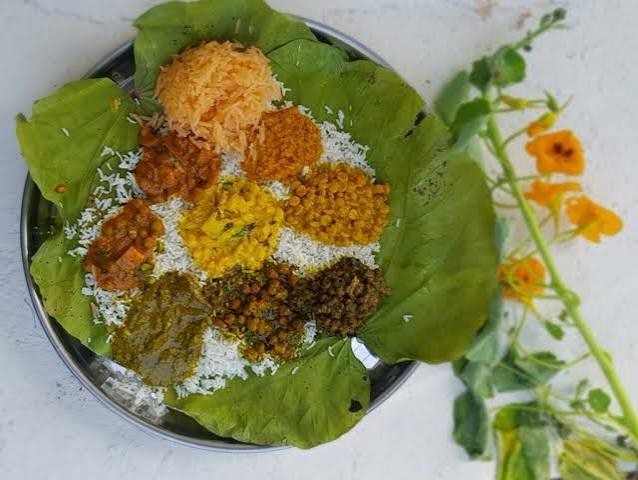
Himachal Pradesh is not only known for its beautiful mountains and peaceful valleys, but also for its rich and comforting traditional cuisine.