Babru – Traditional Himachali Dish
1. Introduction to Babru Babru is a traditional snack from Himachal Pradesh, India. It is particularly associated with the Shimla region and is enjoyed in many parts of the state. Babru is a stuffed, deep-fried bread made from wheat flour and a savoury filling of soaked and ground black gram, commonly known as urad dal. Babru is often described as a Himachali version of a stuffed kachori because of its shape and filling. However, its traditional ingredients, preparation methods, and regional identity make it a distinctive part of Himachali cuisine. It is commonly served during breakfast, tea time, family gatherings, festivals, and other special occasions. Babru is usually enjoyed hot with tamarind chutney, mint chutney, or other accompaniments. It may also be served alongside traditional Himachali dishes such as chana madra. Babru is valued for its crispy outer layer, soft filling, and rich savoury flavour. It represents the traditional cooking practices and food culture of Himachal Pradesh. 2. Origin and History of Babru Babru has a long-standing connection with the traditional food culture of Himachal Pradesh, especially the Shimla and surrounding hill regions. Historically, people relied on locally available ingredients such as wheat flour, lentils, and seasonal produce to prepare everyday meals and festive snacks. These ingredients were used to create filling foods that could be prepared at home and shared with family members and guests. The use of urad dal as a filling reflects the importance of pulses in traditional Indian cooking. By combining ground lentils with wheat dough and frying the bread, cooks created a dish with a crisp exterior and a flavourful interior. Over generations, Babru became a recognised regional speciality. Today, it is served in homes, restaurants, roadside eateries, and traditional food establishments throughout Himachal Pradesh. 3. Main Ingredients Used in Babru Babru is prepared using a small number of basic ingredients. The exact recipe may vary between households and regions. 3.1 Wheat Flour Wheat flour forms the outer covering of Babru. It is mixed with water to make a firm, pliable dough that can hold the filling without breaking. The dough develops a golden, crisp exterior when fried. 3.2 Urad Dal Urad dal, or black gram, is the principal ingredient in the traditional savoury filling. The dal is generally soaked and ground into a thick paste. It provides a rich flavour and a soft, dense texture inside the fried bread. 3.3 Ginger Ginger may be added to the filling to provide warmth and aroma. It complements the earthy flavour of the lentils and gives the snack a more pronounced savoury taste. 3.4 Green Chillies Green chillies are used according to personal preference. They provide heat and enhance the flavour of the filling. Some household recipes use only a small amount of chilli, while others prefer a spicier version. 3.5 Cumin and Other Spices Cumin and other seasonings may be included to add aroma and flavour. The precise spice mixture varies according to family traditions. 3.6 Salt Salt is added to season the filling and dough. 3.7 Oil or Ghee Babru is traditionally deep-fried in oil or, in some preparations, ghee. Frying produces the characteristic crisp outer layer and golden-brown colour. 4. How Is Babru Prepared? Preparing Babru involves making the dough, preparing the lentil filling, shaping the stuffed breads, and frying them. Step 1: Preparing the Dough Wheat flour is placed in a mixing bowl and combined with water and a little salt, if desired. The ingredients are kneaded into a smooth, firm dough. The dough is covered and allowed to rest so that it becomes easier to shape. Step 2: Preparing the Urad Dal Filling Urad dal is washed and soaked in water until it softens. The soaked dal is drained and ground into a thick paste. Ginger, green chillies, cumin, salt, and other seasonings may be added according to the recipe. The filling should not be excessively watery, as too much moisture can make the dough difficult to seal and fry. Step 3: Dividing the Dough The rested dough is divided into small, evenly sized portions. Each portion is shaped into a ball and flattened slightly to create space for the filling. Step 4: Stuffing the Dough A portion of the prepared urad dal mixture is placed in the centre of each dough piece. The edges are gathered and sealed carefully so that the filling remains inside during frying. Step 5: Shaping the Babru The stuffed dough is gently flattened into a small round bread. Care must be taken not to press too hard, as the dough may tear and allow the filling to escape. Step 6: Deep-Frying Oil is heated in a deep pan. The stuffed breads are carefully placed into the hot oil and fried until they become golden brown and crisp. They are turned as necessary to ensure even cooking. The oil temperature should be controlled so that the outside does not brown too quickly while the filling remains undercooked. Step 7: Serving Once fried, Babru is removed from the oil and allowed to drain briefly. It is served hot with tamarind chutney, mint chutney, or another accompaniment. 5. Taste and Texture of Babru Babru is known for its combination of crispness and a rich, savoury filling. The outer layer is golden brown and crunchy, while the inside is soft and dense because of the ground urad dal. The lentil filling has an earthy flavour, which is enhanced by ginger, cumin, chillies, and other seasonings. When served with tamarind chutney, the sweet-and-sour flavour creates a contrast with the savoury bread. Mint chutney provides a fresher, more herbal taste. Babru is generally filling and flavourful, making it a popular snack for breakfast or tea time. 6. Different Ways of Serving Babru Babru can be enjoyed in several ways depending on local customs and personal preferences. 6.1 Babru with Tamarind Chutney Tamarind chutney is a common accompaniment. Its tangy and slightly sweet flavour complements the crisp, savoury bread. 6.2 Babru with Mint Chutney Mint chutney adds freshness and a mildly spicy
Siddu – Traditional Himachali Dish
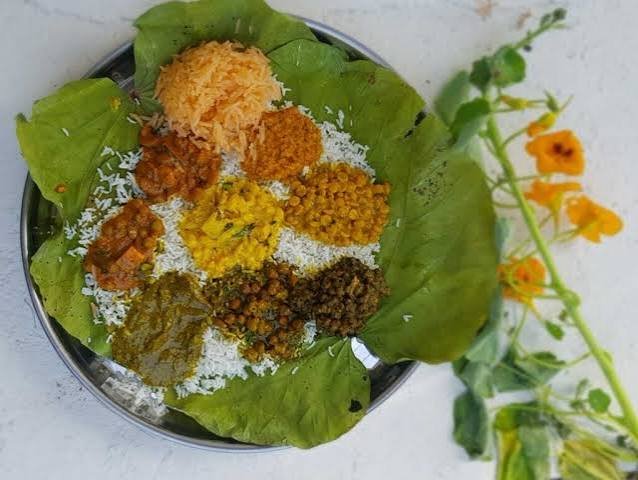
Siddu is a traditional steamed bread from Himachal Pradesh, India. It is one of the most popular local foods in the state’s hilly regions, particularly in Kullu, Manali, Shimla, Mandi, and nearby areas. Siddu is deeply connected with Himachali culture and is commonly prepared in homes, local restaurants, and traditional food establishments.