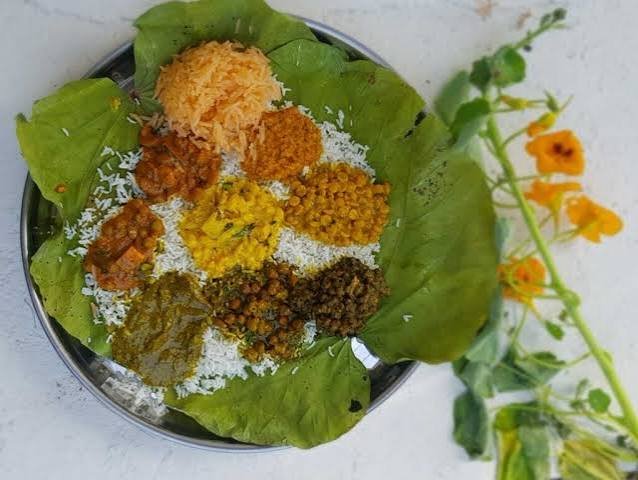
Himachali Food Dham – Detailed Information
1. Introduction to Himachali Dham
Himachali Dham is a traditional multi-course feast from Himachal Pradesh, a beautiful state in northern India. It is an important part of the state’s culture, heritage, and social life. Dham is traditionally prepared and served during weddings, religious festivals, temple celebrations, and other special occasions.
Unlike an ordinary meal, Dham consists of several traditional dishes served in a particular sequence. These dishes commonly include rice, lentils, madra, palda, khatta, and sweet rice. The ingredients, recipes, and serving traditions vary across different regions of Himachal Pradesh.
Dham represents hospitality, unity, generosity, and respect for cultural traditions. It brings people together and provides an opportunity to celebrate special occasions while preserving traditional Himachali cuisine.
2. History and Origin of Himachali Dham
Himachali Dham has a long-standing connection with the religious, agricultural, and social traditions of Himachal Pradesh. It developed as a special community feast served during important celebrations and religious gatherings.
One popular traditional account connects the development of Dham with the rulers of Chamba. According to this story, a ruler was inspired by elaborate feasts in Kashmir and encouraged the preparation of a special meal using locally available ingredients. Over time, Dham developed into a distinctive regional culinary tradition.
Traditionally, Dham was prepared by skilled cooks known as botis, who passed their knowledge and cooking techniques from one generation to another.
The tradition gradually became associated with weddings, temple festivals, community gatherings, and other important occasions. Today, Dham remains an important symbol of Himachali identity and cultural heritage.
3. Main Dishes of Himachali Dham
Himachali Dham is famous for its variety of traditional dishes, each offering a different taste, texture, and flavour.
3.1 Madra
Madra is one of the most popular and recognisable dishes served in Himachali Dham. It is generally prepared using chickpeas, kidney beans, or other legumes cooked in a thick, curd-based gravy.
The dish is flavoured with traditional spices and often prepared with ghee. Slow cooking allows the ingredients to blend together and creates a rich, creamy consistency.
Madra is particularly associated with the culinary traditions of Kangra and Chamba.
3.2 Moong Dal
Moong dal is prepared using split green gram lentils. It is a common part of traditional Dham menus and is usually served with rice.
The dal has a mild, earthy flavour that complements richer dishes such as madra. It also provides protein, fibre, and other nutrients.
3.3 Maa Ki Dal or Mash Dal
Maa ki dal, also known as mash dal, is made from black gram or urad dal. It is cooked with regional spices and sometimes ghee to develop a rich, savoury flavour.
This dish is an important part of several traditional Himachali feast menus. Its earthy taste provides a balance to the tangy and creamy preparations served alongside it.
3.4 Palda
Palda is a traditional Himachali curry generally prepared with potatoes or other vegetables in a curd-based gravy.
The yogurt gives the dish a distinctive tangy taste, while the spices contribute aroma and flavour. It is commonly associated with the regional cuisine of the Kangra Valley.
3.5 Khatta
Khatta is a distinctive sweet-and-sour dish found in several Himachali Dham traditions.
Depending on the regional recipe, it may be prepared using chickpeas, tamarind, jaggery, dried mango powder, or other ingredients.
Its combination of tanginess and sweetness creates a contrast with the rich gravies and lentil dishes served during the feast.
3.6 Sepu Vadi
Sepu vadi is particularly associated with Mandi Dham. It consists of lentil dumplings, commonly made from urad dal, served in a green gravy often prepared with spinach.
The dumplings are prepared separately and then cooked with the gravy, allowing them to absorb its flavours.
Sepu vadi is valued for its distinctive preparation and its connection with the culinary traditions of Mandi.
3.7 Meetha Bhaat or Mittha
Meetha bhaat is a traditional sweet rice preparation commonly served toward the end of a Dham meal.
It is prepared using rice and sugar or jaggery, with raisins, dry fruits, and aromatic spices added according to the recipe.
Its sweet flavour provides a pleasant conclusion to the meal and makes it especially suitable for celebrations.
3.8 Rice
Rice is one of the most important components of Himachali Dham. It is generally served with the different curries and lentil preparations.
Its mild flavour allows the distinctive tastes of madra, palda, khatta, and other dishes to stand out.
The sequence and variety of rice preparations depend on the region and occasion.
4. Different Types of Himachali Dham
Himachal Pradesh has several regional Dham traditions. Although the basic concept remains similar, the dishes and cooking methods differ from one area to another.
4.1 Chamba Dham
Chamba Dham is one of the well-known regional traditions of Himachal Pradesh. It is associated with a variety of preparations, including madra, mash dal, khatta, and sweet rice.
Chamba is especially recognised for its rich culinary heritage and traditional community feasts. The dishes are prepared in large quantities for weddings, religious functions, and other important celebrations.
4.2 Kangri Dham
Kangri Dham originates from the Kangra Valley. It is known for dishes such as madra, moong dal, maa ki dal, palda, khatta, and meetha bhaat.
The meal often combines creamy, tangy, savoury, and sweet flavours. Its preparation and serving traditions reflect the cultural identity of the Kangra region.
4.3 Mandi Dham
Mandi Dham is particularly famous for sepu vadi, a lentil dumpling preparation served in a green gravy.
Other dishes may include mash dal, rice, and regional curries. Mandi’s Dham tradition is an important part of local weddings, festivals, and community gatherings.
4.4 Kullu Dham
Kullu has its own regional food traditions and variations of Dham. Its menus may include traditional lentil dishes and local preparations influenced by the ingredients and customs of the region.
Siddu, a steamed bread made from wheat flour and commonly filled with a savoury or sweet mixture, is another well-known food from the wider Kullu region, although it is not necessarily part of every Dham menu.
5. Traditional Preparation of Himachali Dham
Preparing Himachali Dham requires planning, experience, and considerable effort, especially when food must be prepared for a large number of guests.
Traditionally, the preparation begins well before the meal is served. Pulses and legumes are cleaned and soaked where necessary, rice is prepared, and the ingredients for the different curries are arranged.
The dishes are cooked separately in large vessels. Traditional cooks pay attention to the consistency of each gravy, the balance of spices, and the timing of preparation.
Brass vessels have historically been used for cooking Dham, although modern cooks may use other types of cookware.
The dishes are not simply combined into one meal. Each preparation is made individually so that its characteristic taste and texture can be maintained.
Experienced cooks, traditionally known as botis, play an important role in preserving the techniques, recipes, and serving customs associated with Dham.
6. Traditional Serving Style
The traditional serving style is an important feature of Himachali Dham.
Guests are often seated in rows on the ground, particularly at traditional community feasts. Food is served on leaf plates known as pattal or pattlu.
The dishes are served in a customary sequence, with rice and different curries offered successively. Guests can combine the preparations with rice and experience the different flavours throughout the meal.
This style of serving encourages people to eat together and reflects the importance of hospitality and equality within the community.
At modern weddings, hotels, and organised events, Dham may also be served using contemporary dining arrangements while retaining traditional recipes and dishes.
7. Ingredients Used in Himachali Dham
The ingredients used in Dham reflect the agricultural and culinary traditions of Himachal Pradesh.
Pulses and legumes, such as chickpeas, kidney beans, moong dal, and urad dal, form the foundation of many dishes.
Rice is the principal accompaniment to the curries and lentil preparations.
Curd is used in dishes such as madra and palda, contributing creaminess and a tangy flavour. Ghee is commonly used to enrich the taste and aroma of traditional preparations.
Spices such as cumin, coriander, cardamom, cloves, and cinnamon may be used according to the recipe.
Jaggery, tamarind, dried mango powder, raisins, and dry fruits are used in selected sweet-and-sour preparations and desserts.
The ingredients and cooking methods vary depending on local availability, family traditions, and the particular style of Dham being prepared.
8. Taste and Flavour of Himachali Dham
One of the defining characteristics of Himachali Dham is the variety of flavours offered within a single meal.
Madra provides a rich and creamy taste, while lentil preparations offer earthy and savoury flavours. Palda contributes a gentle tanginess, and khatta introduces a distinctive sweet-and-sour element.
Meetha bhaat adds sweetness and aroma toward the end of the meal.
The combination of these dishes creates a balanced culinary experience. Instead of relying on a single flavour, Dham brings together several preparations that complement one another.
The level of spice, richness, and sweetness varies according to the regional recipe and the preferences of the cook.
9. Cultural Importance of Himachali Dham
Himachali Dham is not merely a traditional meal; it is an expression of the state’s cultural identity and community values.
Hospitality: Preparing a large feast is a way of welcoming guests and showing respect to family members, friends, and visitors.
Community bonding: People gather to share food during weddings, religious occasions, and festivals. Eating together strengthens social relationships.
Cultural preservation: Traditional recipes and cooking techniques are passed from experienced cooks to younger generations.
Religious significance: Dham is frequently associated with temple festivals, auspicious occasions, and community celebrations.
Regional identity: Differences between Kangra, Chamba, Mandi, and other regions demonstrate the diversity of Himachali cuisine.
Traditional knowledge: The preparation of Dham preserves knowledge about local ingredients, cooking methods, flavour combinations, and customary serving practices.
Through these traditions, Dham continues to connect food with family, community, and cultural heritage.
10. Nutritional Value of Himachali Dham
Himachali Dham can provide a range of nutrients because it includes pulses, grains, dairy products, and other ingredients.
Pulses and legumes provide protein and fibre, while rice supplies carbohydrates. Curd contributes protein and calcium, and selected preparations may provide additional vitamins and minerals.
However, the nutritional value of the meal depends on portion sizes and cooking methods. Dishes prepared with generous amounts of ghee may be high in fat, while sweet rice and other desserts can contain substantial sugar.
A balanced approach involves enjoying a variety of dishes in moderate portions and considering individual dietary requirements.
11. Occasions When Himachali Dham Is Served
Dham is commonly associated with several important occasions in Himachal Pradesh.
Weddings are among the most significant occasions, as hosts traditionally serve a feast to guests attending the celebration.
Temple festivals and religious gatherings may also include Dham as part of the community’s observances.
Village fairs, cultural events, family celebrations, and other special functions provide additional opportunities for people to share this traditional meal.
The menu and scale of preparation depend on the occasion, the number of guests, and local customs.
12. Difference Between Himachali Dham and an Ordinary Thali
Himachali Dham differs from an ordinary thali in its cultural purpose, preparation, and serving traditions.
An ordinary thali is generally a combination of dishes served together for everyday dining or restaurant meals.
Dham, in contrast, is traditionally a ceremonial community feast prepared for special occasions. It often involves cooking in large quantities, following regional recipes, and serving dishes in a particular sequence.
The involvement of traditional cooks, the use of customary serving methods, and the importance of communal dining make Dham a distinctive culinary experience.
13. Himachali Dham in Modern Times
Today, Himachali Dham continues to be served at traditional celebrations and is increasingly introduced to visitors through restaurants, cultural festivals, tourism events, and regional food experiences.
Many people living outside Himachal Pradesh also organise Dham during weddings, family gatherings, and cultural celebrations to maintain their connection with their heritage.
Modern cooks may use contemporary kitchen equipment and dining arrangements, but many continue to preserve traditional dishes and recipes.
Dham also contributes to cultural tourism by introducing visitors to the flavours, customs, and hospitality of Himachal Pradesh.
Preserving this tradition helps ensure that its culinary knowledge and cultural significance remain relevant for future generations.
14. Conclusion
Himachali Dham is one of the most distinctive culinary traditions of Himachal Pradesh. It brings together traditional dishes such as madra, moong dal, maa ki dal, palda, khatta, sepu vadi, and meetha bhaat in a festive multi-course meal.
Its significance extends beyond food. Dham represents hospitality, community bonding, religious customs, regional diversity, and the preservation of traditional knowledge.
From its preparation by experienced cooks to its customary serving style, every aspect reflects the cultural heritage of the Himalayan region.
Himachali Dham continues to be an important part of weddings, festivals, and community gatherings, keeping the state’s traditional food culture alive for future generations.