Introduction
Himachal Pradesh is a beautiful Himalayan state known for its snow-covered mountains, green valleys, peaceful villages, rich traditions, and colourful culture. One of the most attractive parts of Himachali culture is its traditional clothing. The traditional dresses of Himachal Pradesh reflect the lifestyle, climate, customs, and identity of the local people. These clothes are especially designed to provide warmth during cold winters while maintaining the beauty of Pahari traditions. From colourful Himachali caps to traditional woollen shawls and beautifully designed dresses, every piece of clothing has its own cultural importance. Traditional attire is worn during weddings, festivals, religious ceremonies, fairs, and other special occasions.
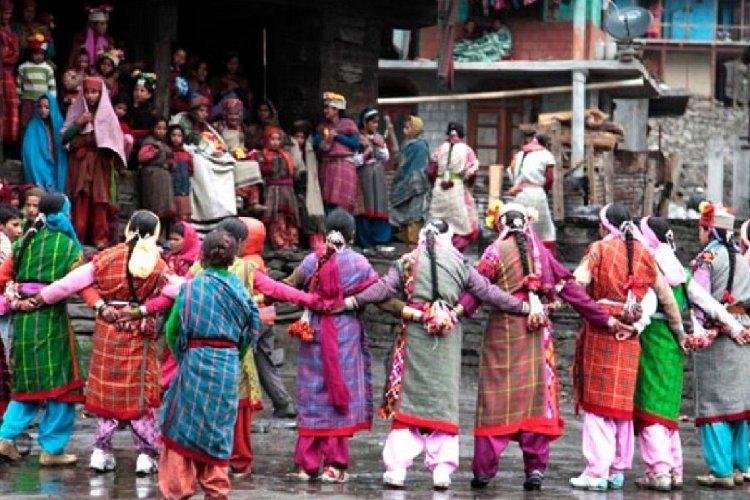
Traditional Dress of Himachali Women
Himachali women are known for their graceful and colourful traditional clothing. In many regions, women wear a long traditional dress or a combination of a kurta, salwar, and a woollen shawl. The exact style varies from district to district. In several areas, women wear a traditional garment commonly known as a pattu, a long woollen piece of cloth draped and secured around the body. It is especially useful during cold weather and is often decorated with traditional patterns and borders. Women may also wear a dhatu or headscarf, depending on local customs, along with traditional jewellery such as necklaces, earrings, and bangles. These outfits look especially beautiful during local fairs, weddings, and cultural celebrations.
Traditional Dress of Himachali Men
Traditional clothing for Himachali men is simple, comfortable, and suitable for the mountain climate. In many areas, men wear a kurta, pyjama or churidar, and a woollen coat or other warm clothing. The Himachali cap, also called the pahari topi, is one of the most recognisable symbols of the state’s cultural identity. These caps often feature colourful bands and patterns, although their designs differ across regions. Men commonly wear traditional attire during festivals, weddings, religious ceremonies, and cultural events. The combination of a traditional cap, warm clothing, and local accessories represents the pride and heritage of Himachal Pradesh.
The Famous Himachali Cap
The Himachali cap is one of the most popular symbols of Pahari culture. It is known for its distinctive shape and colourful decorative band. Different regions have their own styles, patterns, and colours. Caps associated with Kullu, Kinnaur, and other parts of Himachal may look different because of their local weaving traditions and cultural influences. The cap is worn by both men and women and is often used during festivals, public celebrations, and traditional gatherings. It also makes a popular souvenir for visitors who want to take home a memory of Himachal Pradesh.
Traditional Woollen Shawls and Pattu
Himachal Pradesh is famous for its beautiful woollen textiles. The cold mountain climate makes warm clothing an important part of everyday life. Woollen shawls, pattus, and other handwoven garments are valued for their comfort, warmth, and attractive designs. Kullu is particularly well known for its colourful woollen shawls, which often feature geometric patterns and decorative borders. These textiles are created by skilled artisans and reflect generations of traditional weaving knowledge. They are also popular among tourists who appreciate handmade products and want to support local craftspeople.
Traditional Dresses in Different Regions of Himachal Pradesh
The traditional clothing of Himachal Pradesh changes from one region to another. In Kullu, colourful caps, woollen shawls, and traditional garments are closely associated with local festivals and celebrations. In Kinnaur, traditional attire often features distinctive headwear, jewellery, and region-specific designs that reflect the area’s unique cultural heritage. In Chamba, traditional clothing and embroidery are influenced by the district’s rich artistic traditions. In Shimla and nearby hill regions, woollen clothing, shawls, and traditional head coverings are commonly seen during cultural events. The clothing of tribal and high-altitude communities may also differ because of local customs, weather, and available materials.
Traditional Jewellery and Accessories
Traditional Himachali clothing is often complemented by beautiful jewellery and accessories. Depending on the region and occasion, women may wear silver necklaces, earrings, bangles, pendants, and other traditional ornaments. Head coverings and decorative accessories also form an important part of some regional outfits. These ornaments are not only used for decoration but may also represent family traditions, regional identity, and cultural heritage. During weddings and festivals, traditional jewellery adds colour and elegance to the overall appearance.
Himachali Dresses During Festivals and Weddings
Traditional dresses are especially important during festivals, weddings, and local fairs. During celebrations such as Kullu Dussehra, the Minjar Fair, and other regional festivals, people often wear traditional clothing to honour their culture and customs. At weddings, traditional outfits and jewellery create a special connection with family heritage. These occasions also allow younger generations to learn about local clothing styles and appreciate the skills of traditional weavers and artisans. Even as modern fashion becomes more popular, many Himachali people continue to wear traditional attire during important cultural events.
Modern Fashion and Traditional Himachali Clothing
Today, traditional Himachali clothing is finding a place in modern fashion. Many people combine traditional shawls, caps, jewellery, and fabrics with contemporary outfits. Young people wear Himachali caps at cultural events, while woollen shawls are popular for both everyday use and special occasions. Designers and local artisans are also helping preserve traditional patterns by adapting them to modern tastes. This combination of traditional craftsmanship and modern style allows Himachali culture to remain meaningful for younger generations.
Conclusion
The traditional dresses of Himachal Pradesh are much more than clothing; they are a symbol of the state’s identity, history, craftsmanship, and mountain lifestyle. From the colourful Himachali cap to the warm woollen pattu and beautifully woven Kullu shawls, every traditional garment tells a story about the people and their heritage. The styles may differ across districts, but they share a common connection with the culture and natural beauty of the Himalayas. For travellers, exploring traditional Himachali clothing is a wonderful way to understand the local way of life and appreciate the creativity of its artisans.
At PahariSafar, we celebrate the beauty of Himachal Pradesh, its people, traditions, festivals, and timeless cultural heritage. When you visit Himachal, take time to discover its traditional clothing, meet local artisans, and experience the colourful spirit of Pahari life.